Reasonable Forge
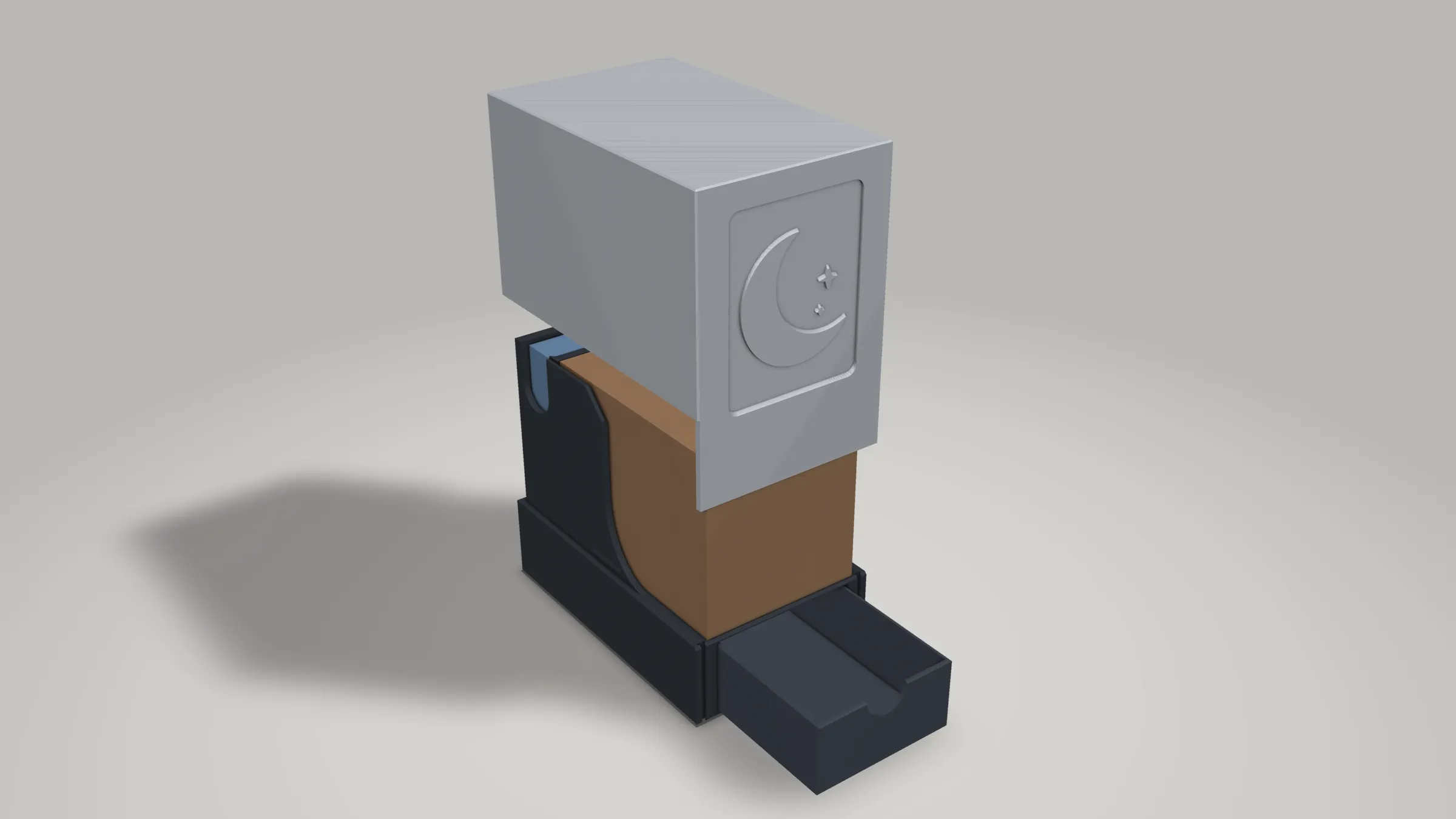
Two brand sites live and the first product line in production, with its fits confirmed in print
The check Every part clears a printability rules gate before it's sliced, and a fit stays marked UNVERIFIED until it prints
LLMOps · evals · cost · observability
I'm Ryan Walsh. I spent twenty years in regulated tax software and have been an Enrolled Agent since 2011. Now I design LLM systems where the eval, the cost ledger and the failure log are part of the build from the first commit.
Two brand sites live and the first product line in production, with its fits confirmed in print
The check Every part clears a printability rules gate before it's sliced, and a fit stays marked UNVERIFIED until it prints
Its enforcement chain is open source as the reasonable-agents plugin (MIT)
The check The vault agent exposes only typed-JSON intents, so private context can't leak into public output
Source on GitHub ↗Evidence for the better-trained-limbs thesis: my content pipeline's orchestrator was solid; the limbs are where it broke.
A year and a half of drums and agent systems on the same learning curve. The goal turned out to be better-trained limbs, not a smarter orchestrator.
I built an eval harness to check whether my advisor pattern was doing anything. It wasn't.
Claude writes the code. I design the system, read what it produces and check it against reality. I'm automation-first: if a task will repeat, the work is building the tool that does it. That habit is how I ended up in LLMOps, because you can't trust automation you can't measure.
More about me →